From paper ledgers to digital operations: what the move looks like for a distributor
A typical distributor's path from paper sheets to digital operations: what changes, what is hard, and where to start.
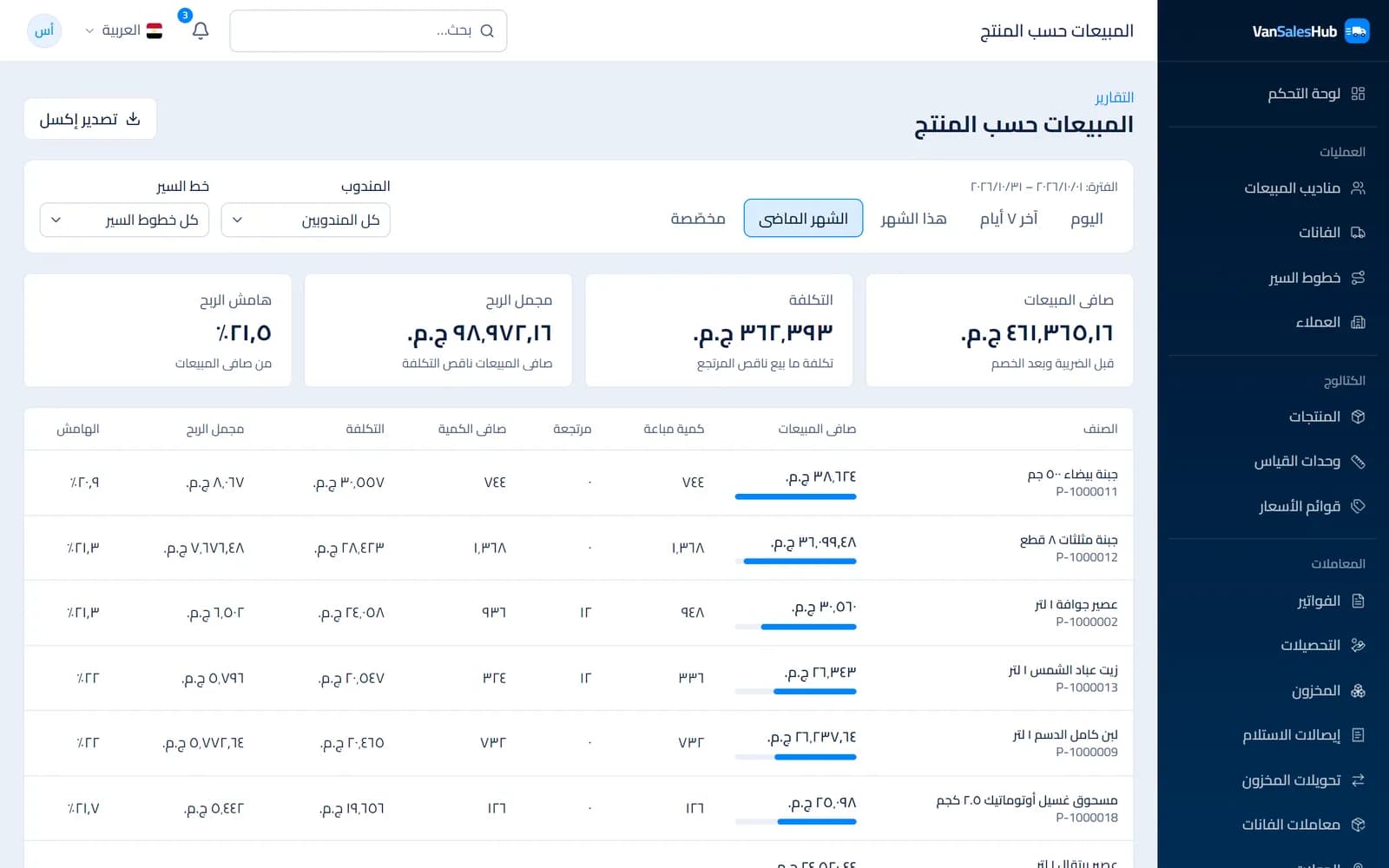
This is not one particular customer's story but a composite picture of what a consumer goods distributor goes through when moving from paper to a digital system. We have gathered the stages that recur in this kind of change, so you know what lies ahead before you start.
The starting point: a day on paper
Picture a distributor with a number of vans and a small office team. The day begins with the storekeeper writing down on paper what each rep loaded. The rep heads out with a carbon-copy invoice book, a printed price list that may be out of date, and the names of the customers to visit in their head.
In the evening the rep comes back with cash, cheques and invoice copies. The accountant spends hours typing them into a spreadsheet and trying to match what was sold with what was loaded and what came back. Differences appear, and an endless discussion begins: was the mistake in the loading, the invoice or the count?
Worse than the errors is the delay. The owner only learns today's sales days later, and only learns that a customer passed their credit limit long after it happened.
Stage one: sort the data before anything else
The first thing a distributor discovers is that the problem is not paper; it is scattered data. Before any rep carries a phone, you need:
- One product list with clear codes and defined units: is it sold by piece, box or carton? How many pieces in a carton?
- Clear price lists: one for wholesale, one for retail, perhaps a third for specific customers.
- A clean customer list: no duplicates, and a phone number and location for each customer.
This stage is dull, but it decides the success of everything after it. A distributor who rushes it pays later in invoices with wrong prices and duplicated customers.
Stage two: the first rep
Do not start with the whole team. Pick one rep, preferably cooperative rather than the most tech-savvy, and one route. A week or two is enough to uncover most practical issues:
- Does the rep know how to load stock and start a journey?
- Do invoices reach the office as they should, even from areas with weak coverage?
- Do refusals appear because a price is missing or stock is short? Each one reveals a data gap to fix.
Stage three: what changes in the office?
Once invoices arrive digitally, office work shifts from data entry to review. Nobody retypes invoices; the team reviews what came in and follows the exceptions: a return awaiting approval, a loading refused because the warehouse was short, a customer nearing their credit limit.
The owner gains a daily view: today's sales and collections on one screen, and a comparison between planned visits and those actually made.
Stage four: rolling out
Once the first route is stable, reps are added one by one. Each new rep learns more from the colleague who went before than from any manual.
What is actually hard?
- Resistance to change: some reps see the phone as surveillance. It helps to explain what they gain: no invoice books, no end-of-day sums, no arguments about prices.
- Old habits: selling at a verbally "agreed" price, or cancelling an invoice by tearing it up. A digital system prevents these habits, by design, but it takes time for everyone to accept.
- Incomplete data: customers without locations, products without prices. They get fixed gradually, but someone has to own them.
In short
Moving from paper to digital does not happen in a day, and it does not need a huge project. It needs tidy data, a cooperative first rep, and an office ready to change from entering data to reviewing it.
VanSalesHub was built for exactly this path: a dashboard for the office, and a rep app that works even without internet. If you want to start with your first rep, the free trial lasts 14 days and needs no credit card.